Theo Werner · 10 October 2026
How Niche Web Utilities Balance User Privacy Controls During Platform Scaling Phases
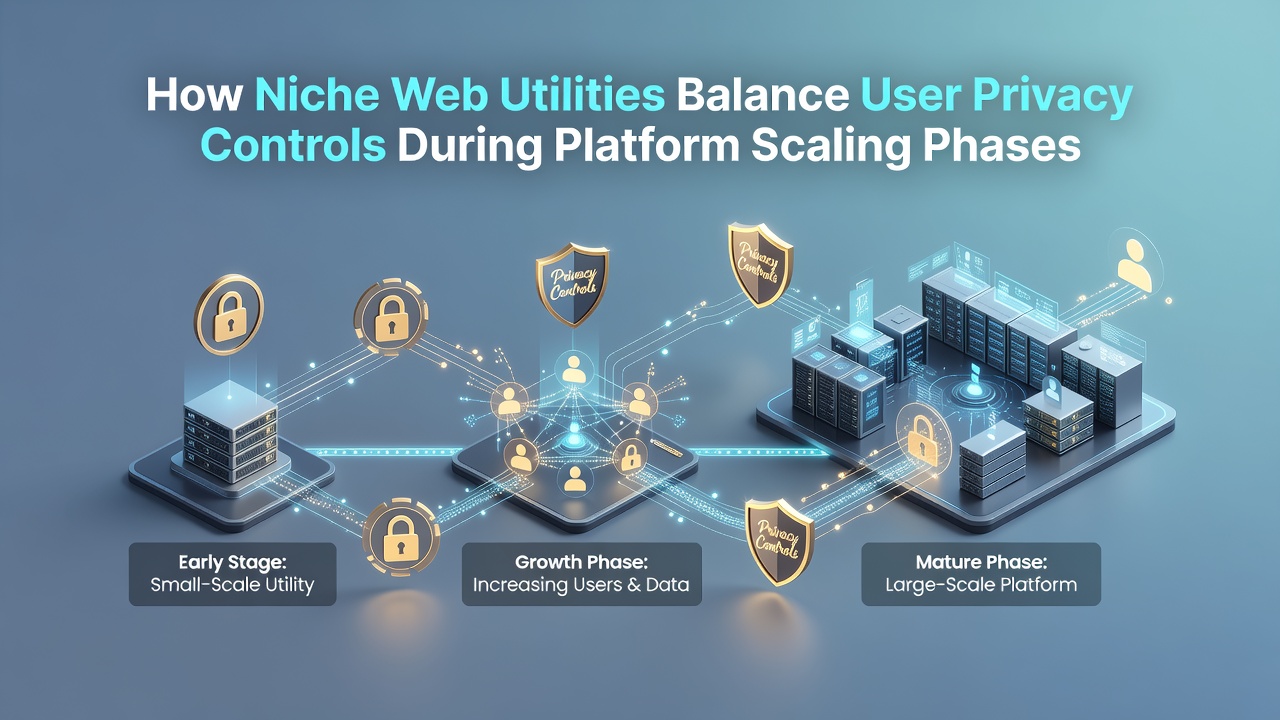
Niche web utilities often face distinct pressures when user bases expand rapidly, and observers note that privacy controls must adapt without disrupting core functionality, since these specialized platforms typically handle targeted datasets that require precise consent mechanisms from the outset.
Initial Privacy Frameworks in Small-Scale Operations
Smaller utilities start with straightforward consent interfaces that collect minimal data points, and researchers have documented how these systems rely on explicit user toggles for features like analytics sharing, while data retention policies stay limited to what operational needs demand at launch.
Studies from academic institutions reveal that early-stage tools prioritize data minimization techniques such as local processing where feasible, and this approach reduces exposure during the first growth surges when infrastructure investments remain modest.
Challenges Emerge as User Volumes Increase
Platform scaling introduces complexities around cross-border data flows and multi-jurisdictional compliance, whereas utilities must integrate tools that manage varying regional standards without fragmenting the user experience. Data indicates that volume spikes can strain existing consent logs, prompting upgrades to centralized systems that track permissions across new server clusters.
Those who've examined growth patterns point out that legacy code often needs refactoring to support granular controls, like category-specific opt-outs, and this transition coincides with heightened scrutiny from oversight bodies monitoring larger entities.
Technical Adaptations for Sustained Compliance
Engineers implement layered encryption and pseudonymization protocols that scale alongside databases, and evidence from industry reports shows these measures help maintain user trust while accommodating traffic surges. Automated auditing scripts run periodic checks on data access patterns, which allows teams to identify anomalies before they escalate into broader issues.

Integration of third-party privacy management platforms becomes common once user counts exceed certain thresholds, and figures from regulatory summaries highlight how such partnerships streamline responses to access requests that multiply during expansion phases. Canadian authorities under the Personal Information Protection and Electronic Documents Act have issued guidance documents that utilities reference when refining these integrations.
Regulatory Influences Across Regions
Utilities operating internationally align practices with frameworks like the EU's data protection rules, which emphasize accountability records that grow more detailed as operations expand, while similar standards in Australia require breach notification timelines that influence internal monitoring setups. Research papers from European universities detail case examples where scaled utilities adopted dynamic consent interfaces that update in real time based on new feature rollouts.
US Federal Trade Commission enforcement actions have shaped expectations around deceptive privacy claims, leading platforms to publish clearer policy updates during scaling milestones, and observers note that these disclosures often appear alongside infrastructure announcements to keep users informed.
Case Examples of Balanced Approaches
One documented utility handling specialized search tools expanded its European user base in 2025 and responded by deploying federated learning models that kept raw data localized, according to analyses from research institutions tracking privacy tech adoption. Another platform focused on niche productivity features introduced progressive consent layers after October 2026 infrastructure upgrades, allowing users to adjust settings without full account resets.
These adaptations demonstrate how utilities coordinate engineering and legal teams to test privacy features under simulated load conditions before full deployment, and the results help prevent compliance gaps that surface only at higher scales.
Conclusion
Platform scaling phases require niche web utilities to evolve privacy controls through technical refinements and regulatory alignment, and ongoing data from multiple oversight sources continues to guide these iterative processes across different operational contexts.